
Journaling is a versatile practice that can take on many forms to suit individual preferences and goals. Different types of journals cater to various needs and purposes, from personal growth and self-reflection to organization and creativity. Here are some common types of journals:

- Personal Journal: This is the most traditional form of journaling. It involves writing about your thoughts, feelings, experiences, and personal reflections. It can be a daily, weekly, or sporadic practice and serves as a way to record your life journey.
- Gratitude Journal: In a gratitude journal, you focus on the positive aspects of your life. Each day, you write down things you’re grateful for, which can help cultivate a more positive mindset and improve overall well-being.
- Dream Journal: This type of journal involves recording your dreams as soon as you wake up. It can help you analyze your dreams, understand your subconscious mind, and even improve your dream recall.
- Travel Journal: When you’re traveling, you can keep a journal to document your adventures, describe new places you’ve visited, and capture your impressions and experiences along the way. Include sketches, photos, and mementos for a rich record.
- Art Journal: For those who enjoy creative expression, an art journal combines drawing, painting, collage, and writing. It’s a visual diary that allows you to explore your emotions and thoughts through artistic means.
- Bullet Journal: Bullet journaling is a highly organized method of journaling. It uses symbols and bullet points to keep track of tasks, goals, events, and notes. It’s a versatile system that helps with productivity and organization.
- Fitness Journal: If you’re into health and fitness, a fitness journal can help you track your workouts, nutrition, goals, and progress. It’s a valuable tool for staying motivated and achieving fitness objectives.
- Reading Journal: A reading journal is where you jot down your thoughts, insights, and favorite quotes from books you’ve read. It enhances your reading experience and helps you remember key takeaways.
- Reflective Journal: This type of journal is used for deeper self-reflection. You can write about your personal growth, values, life goals, and philosophical musings. It’s a way to gain insights into your life and beliefs.
- Career Journal: A career journal can help you track your professional development, set career goals, document achievements, and plan your career path.
- Gratitude Journal: This type of journal involves daily or regular entries where you express gratitude for the people, things, and experiences in your life. It’s a practice that can promote a positive outlook and well-being.
- Idea Journal: An idea journal is where you jot down creative ideas, brainstorming sessions, and concepts for projects, writing, or any creative endeavor.
- Travel Journal: When you’re on the move, a travel journal helps you capture your experiences, including places you visit, people you meet, and the overall journey. It often includes sketches, maps, and photographs.
- Recipe Journal: If you love cooking, a recipe journal is a great way to document your favorite recipes, cooking experiments, and food-related memories.
- Nature Journal: This journal is for nature enthusiasts. You record observations of plants, animals, weather, and natural landscapes. It fosters a deeper connection with the natural world.
- Gardening Journal: A gardening journal is a valuable tool for tracking the progress of your garden, including planting dates, growth patterns, and harvests.
- Family Journal: It’s a shared journal within a family where members can write notes, share experiences, and express their feelings and thoughts with each other.
- Bucket List Journal: Create a list of all the things you want to do in your lifetime, and then use the journal to document your progress as you check items off your list.
- Language Learning Journal: When learning a new language, you can keep a journal to practice writing, track new vocabulary, and record cultural insights.
- Mood Journal: This journal helps you track your emotions and identify patterns in your mood. It can be especially helpful if you’re managing mental health or simply want to become more aware of your emotional well-being.
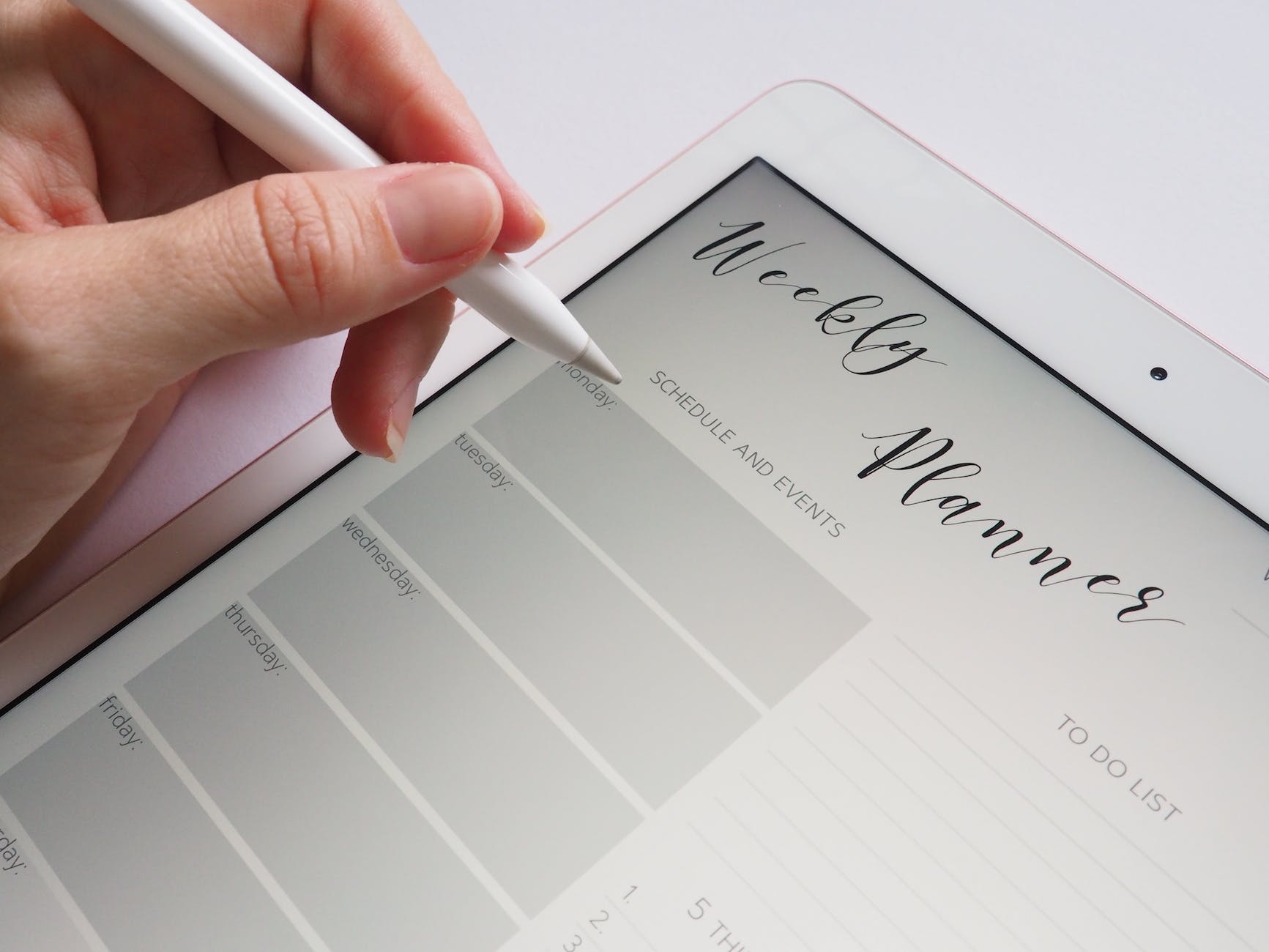
Remember, the type of journal you choose should align with your goals and interests. You can also mix and match different journaling methods to create a unique practice that works best for you. The key is to make journaling a regular and meaningful part of your life.
 colourfulheartbeat.com