
Recognizing and addressing the symptoms of Attention-Deficit/Hyperactivity Disorder (ADHD) is essential for individuals who may be affected by it, as well as their friends, family, and educators. ADHD is a neurodevelopmental disorder that can affect both children and adults. It is characterized by persistent patterns of inattention, hyperactivity, and impulsivity. Here are some steps to help recognize and address ADHD symptoms:
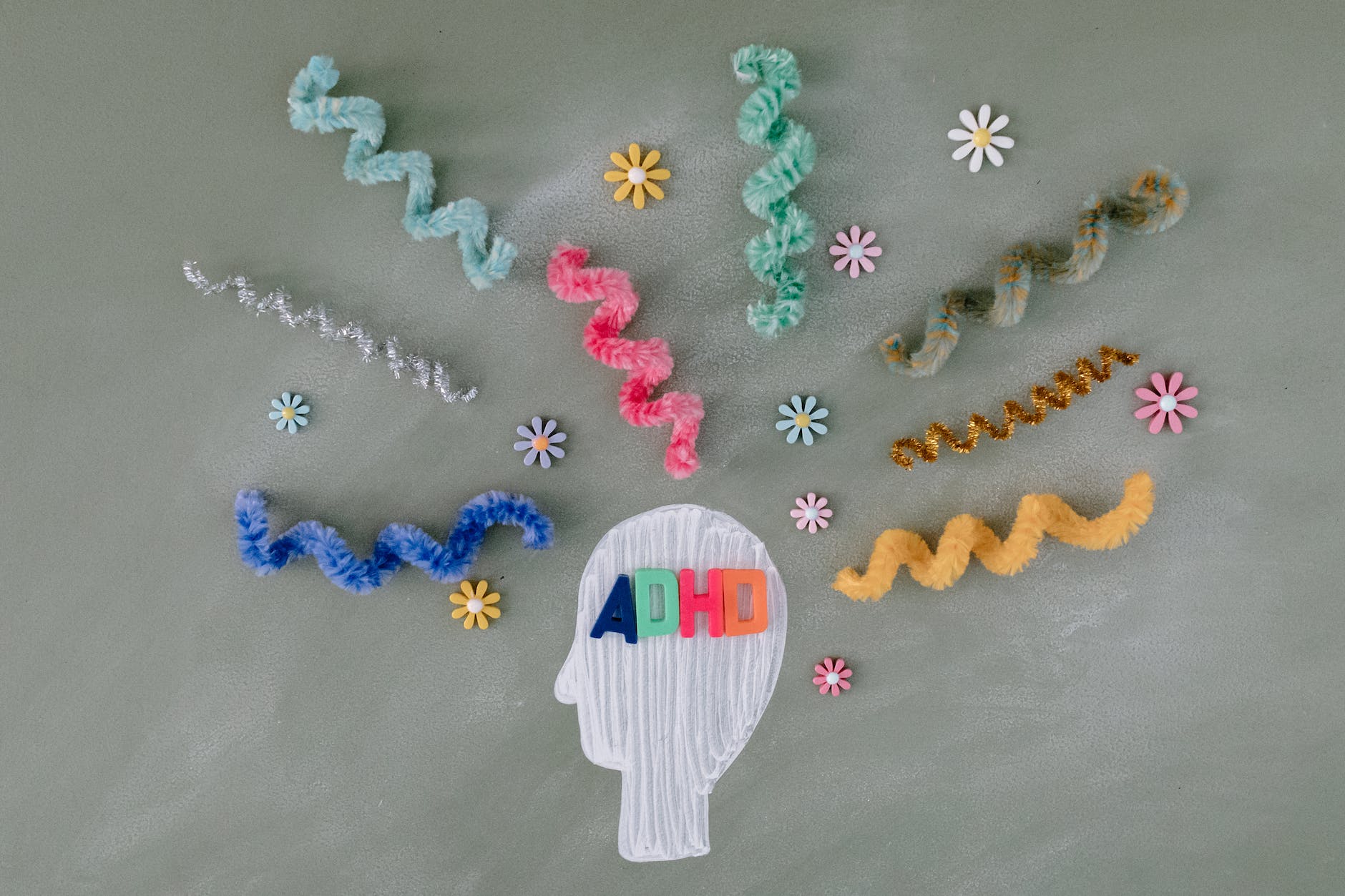
1. Recognizing Symptoms: a. Inattention Symptoms: – Difficulty focusing on tasks or sustaining attention – Frequent careless mistakes in schoolwork or other activities – Struggles with organization and time management – Avoiding or procrastinating tasks that require sustained mental effort – Frequently losing things like keys, books, or phones – Easily distracted by external stimuli
b. Hyperactivity-impulsivity Symptoms: – Restlessness or fidgeting – Difficulty remaining seated when expected – Talking excessively – Interrupting or intruding on others‘ conversations or activities – Difficulty waiting for one’s turn – Impulsivity leading to hasty decisions without thinking about consequences
2. Seek Professional Evaluation:
- If you or someone you know exhibits several of these symptoms and they significantly interfere with daily life, consider consulting a healthcare professional. Diagnosis and evaluation should be conducted by a qualified healthcare provider, such as a psychiatrist, psychologist, or pediatrician.
3. Comprehensive Assessment:
- A comprehensive assessment includes interviews, behavior rating scales, and observations from multiple sources, such as teachers, parents, and caregivers.
4. Education and Awareness:
- Learn more about ADHD through reputable sources, support groups, and educational materials. Understanding the condition can help reduce stigma and improve the ability to provide appropriate support.
5. Treatment Options:
- Treatment for ADHD often includes a combination of behavioral therapies, educational support, and sometimes medication.
- Behavioral therapies, such as cognitive-behavioral therapy (CBT) or psychoeducation, can help individuals learn coping strategies and improve executive function skills.
- Medication, such as stimulants (e.g., methylphenidate or amphetamine) or non-stimulants (e.g., atomoxetine), may be prescribed by a healthcare provider when deemed appropriate.
6. Support and Accommodations:
- Individuals with ADHD may benefit from support at home and in educational or workplace settings. This can include setting up routines, breaking tasks into smaller steps, and providing clear instructions.
- Consider seeking accommodations, such as extended test-taking time or the use of assistive technologies, in educational or workplace settings to help manage ADHD-related challenges.
7. Lifestyle and Self-Care:
- Encourage healthy habits, including regular exercise, a balanced diet, and adequate sleep, which can help manage ADHD symptoms.
- Stress management techniques, mindfulness, and relaxation exercises may also be beneficial.
8. Continuous Monitoring:
- ADHD symptoms can change over time, so it’s important to monitor progress and adjust treatment strategies as needed. Regular follow-up appointments with healthcare providers are essential.
9. Supportive Environment:
- Create a supportive and understanding environment for individuals with ADHD. Encourage open communication and offer encouragement and positive reinforcement.

Remember that ADHD is a manageable condition, and with the right interventions and support, individuals with ADHD can lead successful and fulfilling lives. Consult with healthcare professionals to create a tailored treatment plan that best suits the individual’s needs.
 colourfulheartbeat.com