
The Myers-Briggs Type Indicator (MBTI) is a popular personality assessment tool that categorizes individuals into one of 16 personality types based on their preferences in four dichotomies: Extraversion (E) vs. Introversion (I), Sensing (S) vs. Intuition (N), Thinking (T) vs. Feeling (F), and Judging (J) vs. Perceiving (P). While the MBTI can offer valuable insights into an individual’s personality, it’s important to recognize that personality is complex and multifaceted, influenced by various factors including culture, upbringing, and personal experiences. Gender is one such factor that can potentially influence how individuals express their MBTI type, although it’s essential to approach this topic with nuance and avoid oversimplification or stereotypes.
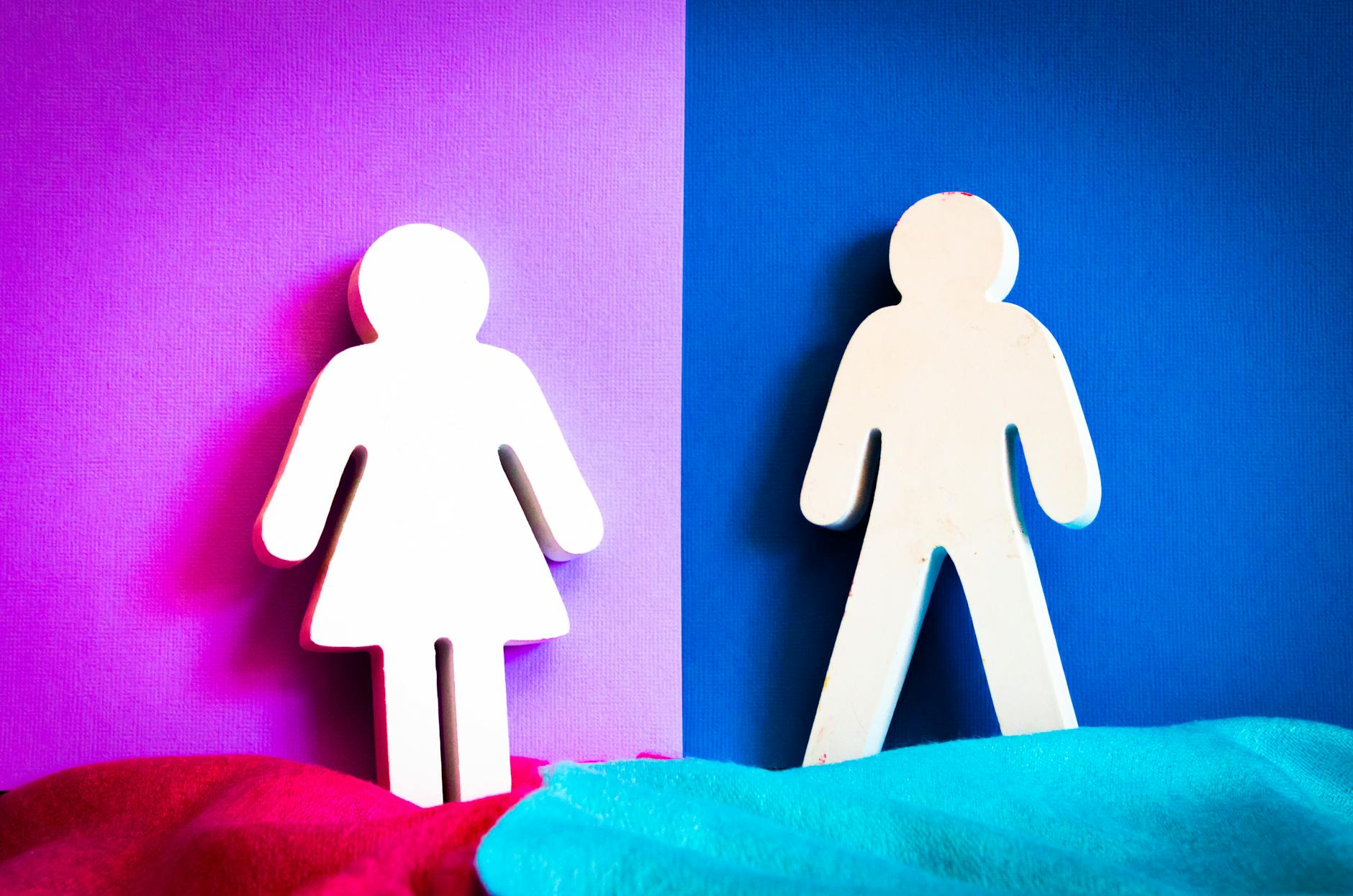
- Socialization: Gender socialization refers to the process through which individuals learn and internalize societal norms, expectations, and roles associated with their gender. From a young age, individuals are often socialized differently based on their gender, which can influence various aspects of their personality, including how they express their MBTI type. For example, societal expectations regarding assertiveness or nurturing behaviors may differ for men and women, potentially affecting how they express preferences such as Extraversion vs. Introversion or Thinking vs. Feeling.
- Cultural Norms: Cultural norms and values regarding gender roles can also play a significant role in shaping personality expression. In some cultures, certain personality traits may be more strongly associated with masculinity or femininity, influencing how individuals express their MBTI type within those cultural contexts.
- Bias in Assessment: There may be biases in how individuals of different genders are assessed or perceive themselves within the MBTI framework. For example, societal stereotypes or biases may lead individuals to inaccurately assess their own preferences or feel pressure to conform to certain gendered expectations within the assessment process.
- Individual Differences: It’s important to recognize that gender is just one aspect of an individual’s identity, and there is significant variability within genders. Not all men or women will conform to stereotypical gender norms, and individuals may express their MBTI type in diverse ways regardless of gender.
- Intersectionality: Intersectionality acknowledges that individuals hold multiple intersecting identities, such as gender, race, ethnicity, sexual orientation, and socioeconomic status, which interact and intersect to shape their experiences and perspectives. Therefore, the expression of MBTI type may be influenced by the intersection of gender with other aspects of identity.
Overall, while gender may play a role in shaping how individuals express their MBTI type, it’s crucial to approach this topic with sensitivity, recognizing the diversity and complexity of individual experiences and identities. It’s essential to avoid making assumptions or generalizations based solely on gender and to consider the broader context of societal norms, cultural influences, and individual differences.
 colourfulheartbeat.com