
Cooking is a fundamental life skill that not only nourishes the body but also provides endless opportunities for creativity and enjoyment. Whether you’re a complete novice or have some basic knowledge, mastering essential cooking skills can open up a world of culinary possibilities. Here’s a beginner’s guide to essential cooking skills:
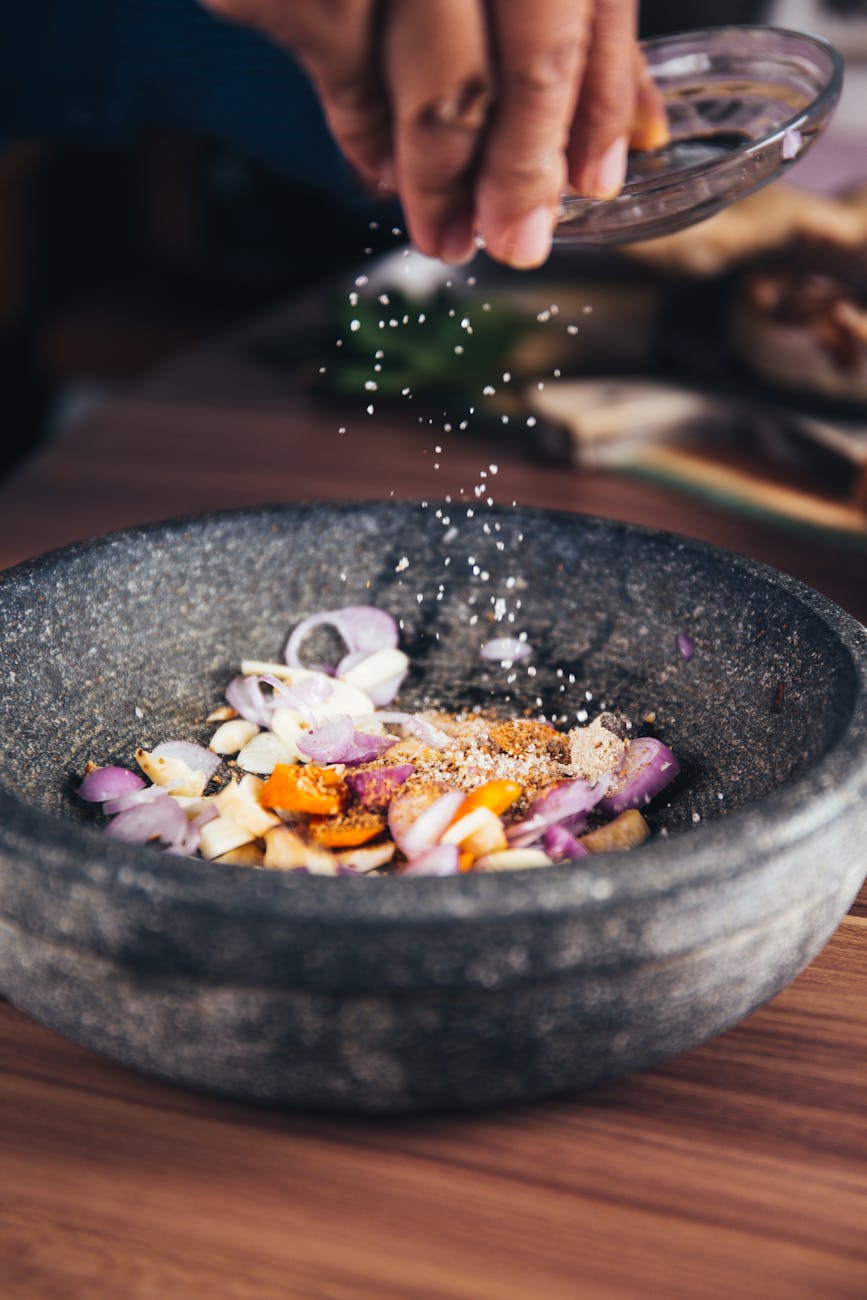
- Knife Skills:
- Learn how to properly hold and use a chef’s knife. Practice basic cuts like chopping, dicing, and slicing.
- Focus on safety techniques, such as keeping your fingers tucked in and using a stable cutting surface.
- Basic Cooking Methods:
- Sauteing: Cooking food quickly in a small amount of oil or fat over high heat, usually in a skillet or frying pan.
- Boiling: Cooking food in boiling water, typically used for pasta, rice, vegetables, and eggs.
- Baking/Roasting: Cooking food in an oven, either covered or uncovered, using dry heat.
- Grilling: Cooking food directly over an open flame or hot coals, imparting a distinct smoky flavor.
- Understanding Heat Control:
- Learn to adjust the heat settings on your stove or oven to achieve the desired cooking temperature.
- Understand the difference between high, medium, and low heat, and when to use each.
- Seasoning and Flavoring:
- Experiment with different herbs, spices, and seasonings to enhance the flavor of your dishes.
- Learn how to balance flavors by incorporating sweet, salty, sour, and umami elements into your cooking.
- Food Safety and Hygiene:
- Wash your hands thoroughly before handling food.
- Keep raw meats separate from other ingredients to prevent cross-contamination.
- Cook foods to their recommended internal temperatures to ensure they are safe to eat.
- Recipe Reading and Following:
- Start with simple recipes and gradually challenge yourself with more complex dishes.
- Read recipes carefully before you begin cooking to understand the ingredients and instructions.
- Take your time and don’t rush through the cooking process.
- Ingredient Preparation:
- Properly prepare ingredients before cooking, such as washing, peeling, and chopping vegetables, and trimming meat.
- Measure ingredients accurately using measuring cups and spoons or a kitchen scale.
- Taste Testing and Adjusting:
- Taste your food as you cook and adjust seasoning as needed.
- Trust your palate and don’t be afraid to experiment with different flavor combinations.
- Kitchen Organization and Clean-Up:
- Keep your kitchen clean and organized to make cooking more efficient and enjoyable.
- Wash dishes, utensils, and countertops as you go to prevent clutter and mess.
- Practice and Patience:
- Like any skill, cooking takes practice and patience to master. Don’t get discouraged by mistakes—learn from them and keep improving.
- Enjoy the process of cooking and take pride in the delicious meals you create.
Remember, cooking is as much about creativity and experimentation as it is about following recipes. Don’t be afraid to think outside the box and put your own twist on classic dishes. With time and practice, you’ll become more confident in the kitchen and develop your own signature cooking style.
 colourfulheartbeat.com