
Cooking with seasonal produce is a fantastic way to ensure that your meals are fresh, flavorful, and environmentally friendly. Seasonal produce is typically harvested at its peak ripeness, meaning it’s packed with nutrients and flavor. Here are some tips for cooking with seasonal produce:
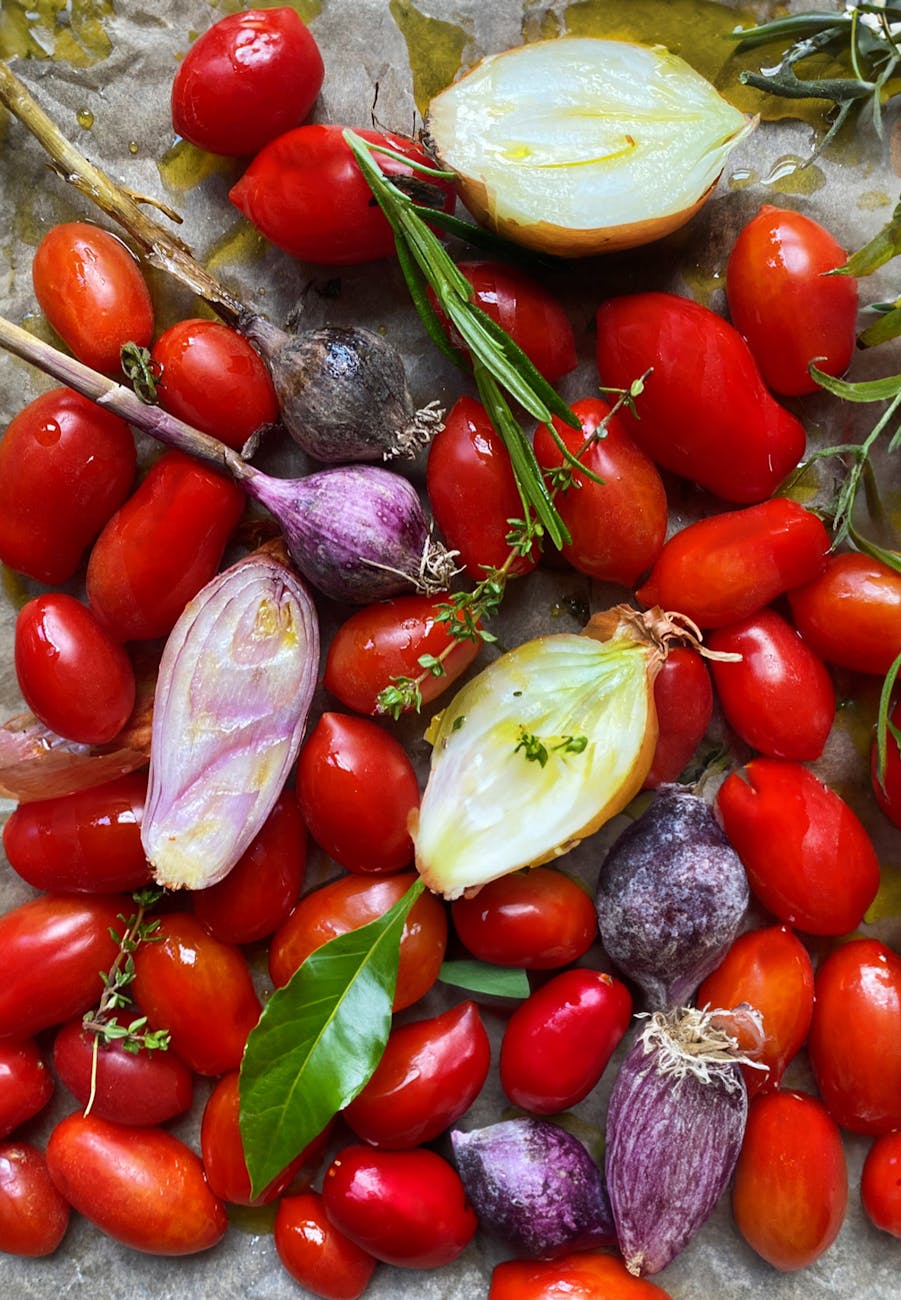
- Know What’s in Season: Different fruits and vegetables have different growing seasons depending on where you live. Research what’s in season in your area during a particular time of year. You can find local seasonal produce guides online or at farmers‘ markets.
- Shop at Farmers‘ Markets: Farmers‘ markets are great places to find locally grown, seasonal produce. Not only will you get the freshest ingredients possible, but you’ll also be supporting local farmers and reducing your carbon footprint by buying food that hasn’t traveled far to reach you.
- Plan Your Meals Around Seasonal Produce: Once you know what’s in season, plan your meals accordingly. Build your recipes around the fruits and vegetables that are readily available. For example, in the summer, you might make salads with ripe tomatoes, cucumbers, and bell peppers, while in the fall, you might cook hearty stews with squash and root vegetables.
- Experiment with New Ingredients: Cooking with seasonal produce can introduce you to new ingredients and flavors that you might not have tried before. Don’t be afraid to experiment with unfamiliar fruits and vegetables. You might discover a new favorite dish!
- Preserve the Harvest: If you come across a surplus of seasonal produce, consider preserving it for later use. You can freeze, can, pickle, or dry fruits and vegetables to enjoy them throughout the year. This allows you to enjoy seasonal flavors even when they’re out of season.
- Use Simple Preparations: Seasonal produce is often so flavorful on its own that it doesn’t need a lot of fancy preparations. Stick to simple cooking methods like roasting, grilling, steaming, or sautéing to let the natural flavors shine through.
- Pair Complementary Flavors: When cooking with seasonal produce, think about pairing complementary flavors and ingredients. For example, pair sweet summer berries with tangy yogurt or cheese, or roast fall root vegetables with savory herbs like rosemary and thyme.
- Be Flexible: Sometimes your plans might need to change based on what’s available at the market. Embrace flexibility and be open to trying new things based on what looks best when you’re shopping.
By cooking with seasonal produce, you’ll not only enjoy fresher, tastier meals, but you’ll also support local farmers and reduce your environmental impact. Plus, it’s a great way to connect with the rhythms of nature and appreciate the changing seasons.
 colourfulheartbeat.com